

The Convention at 75 – Partner Platform
The Convention at 75 – Partner Platform
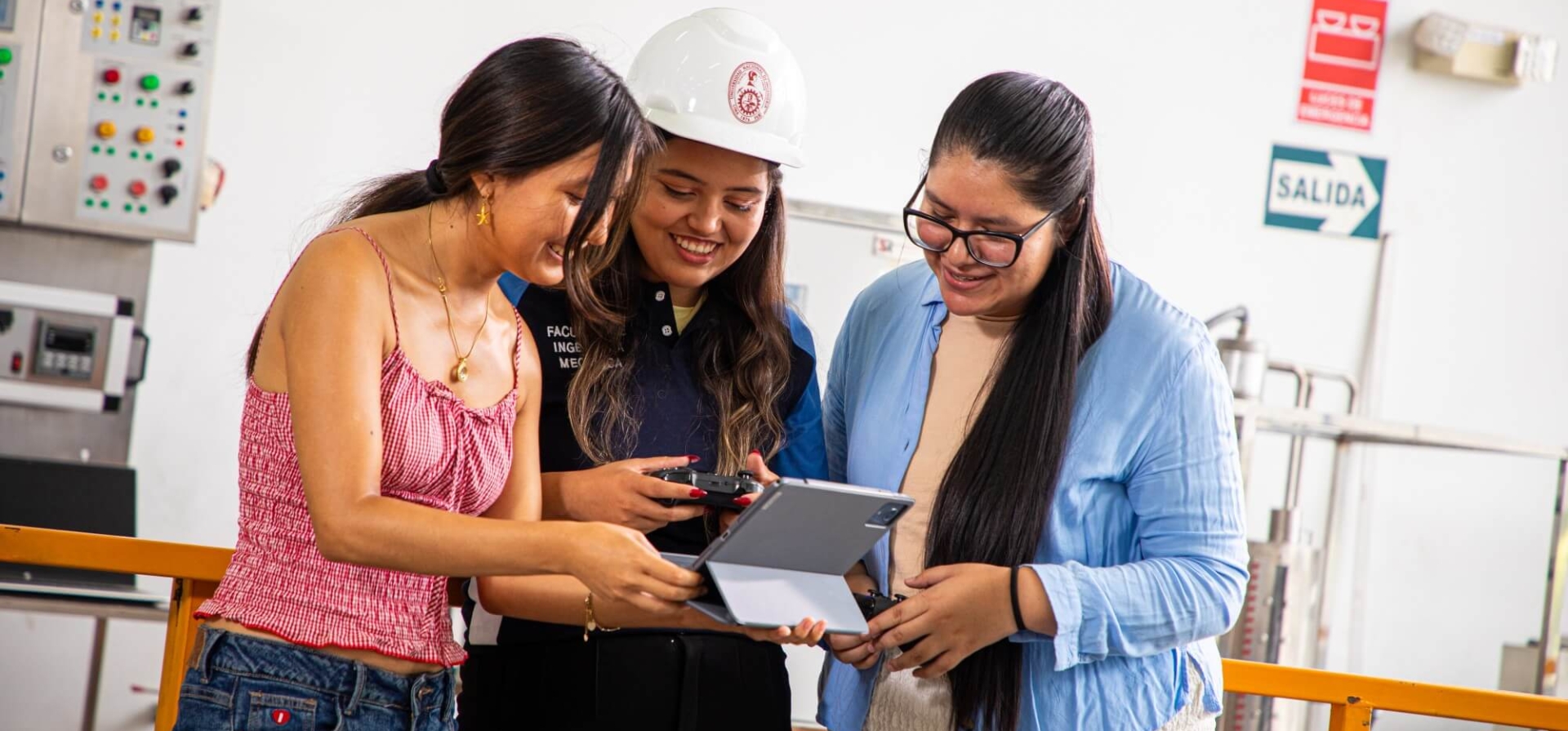
Yuliveth Jardín, a mechanical and electrical engineering student at National University of Engineering in Peru, is building a career in science and technology after being forced to flee Venezuela in 2019. In 2024, she became the first Venezuelan woman admitted to the university’s Mechanical and Electrical Engineering programme.
For 75 years, the 1951 Convention has saved millions of lives and protected fundamental rights, providing a vital framework for refugees to find safety and rebuild their lives. As we mark this anniversary, our goal is to ensure this legacy continues to translate into dignity and inclusion for refugees, and tangible contributions to the communities that host them.
- Ruven Menikdiwela, UNHCR Assistant High Commissioner for Protection
This year marks the 75th anniversary of the 1951 Refugee Convention. Throughout 2026, national, regional, and global dialogues are being held to renew international commitment to refugee protection.
The 2026 dialogues are structured around ten core actions – areas where stronger political commitment and practical cooperation are most urgently needed.
The process will culminate in the High Commissioner’s Dialogue on Protection and Solutions on 7-8 December 2026, as well as pave the way towards the next Global Refugee Forum in 2027.
As part of this work, UNHCR has created this Partner Platform - a digital library to host reports, articles, videos, and other content produced by the international community highlighting the work being done around the 10 action areas.
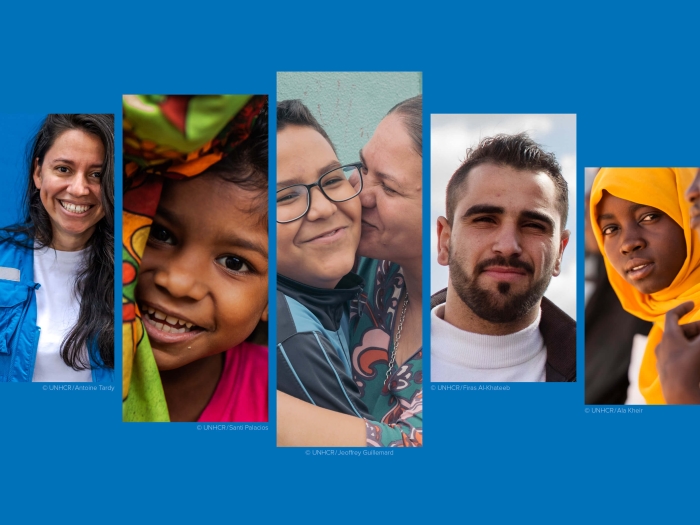
Text and media 31
Events around the anniversary
Upcoming
- Seeking Sanctuaries: Stories of Movement, Acts of Welcome – 22 July 2026 - 18 October 2026, Athens, Greece
Past
- Stories of Seeking Safety and Hope – 9 May 2026, Lesvos, Greece
- Memory and Courage – 17 - 19 June 2026, Athens, Greece
- World Refugee Day/75th Anniversary High-Level Dialogue – 18 June 2026, Tegucigalpa, Honduras
- Amanecer Theatre Play – 18 June 2026, Tegucigalpa, Honduras
- Training Workshop on Strengthening Access to Asylum and Protection-Sensitive Systems – 15 - 16 September 2026, Geneva, Switzerland
- High-Level Side Event Commemorating 75 Years of the 1951 Refugee Convention – 23 September 2026, New York, United States of America
Videos
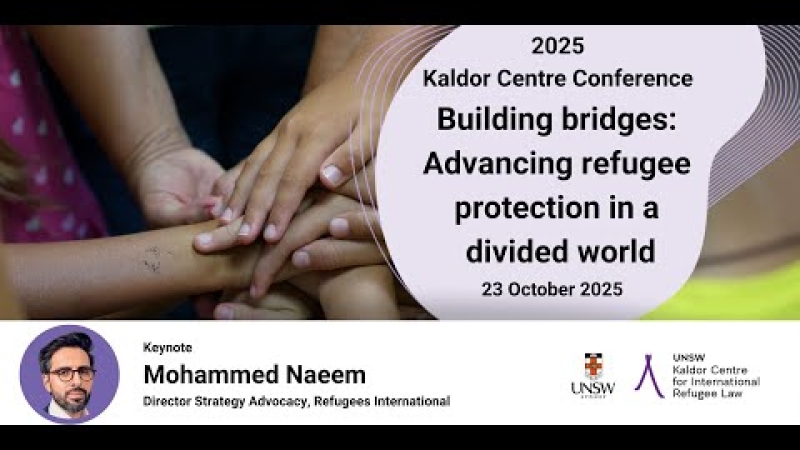
Building bridges: Advancing refugee protection in a divided world
UNSW Kaldor Centre for International Refugee Law
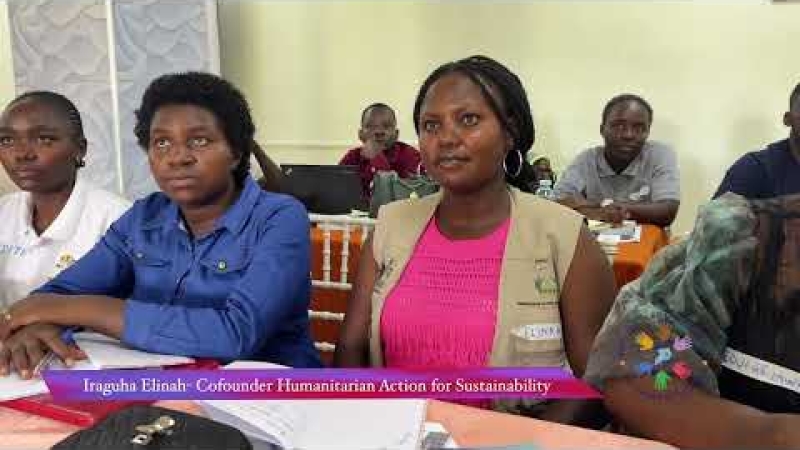
"Seventy-five years: The promise and the gap" — A documentary on the 1951 Refugee Convention
Refugee-Led Organisation Network (RELON) Uganda
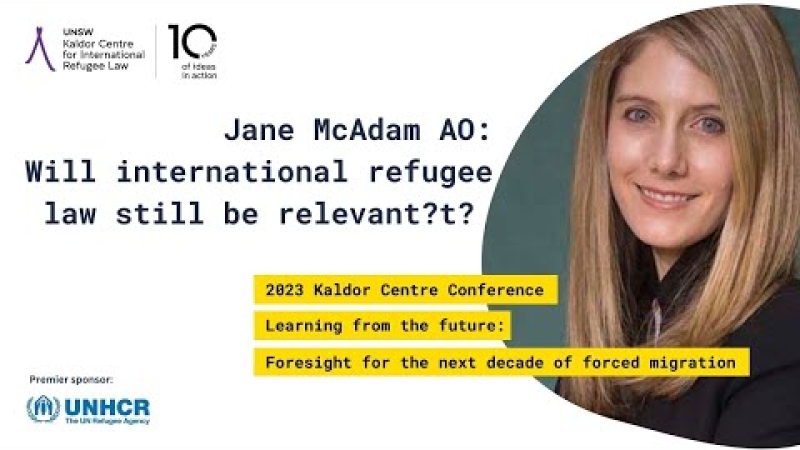
Jane McAdam AO: Will International law still be relevant?
UNSW Kaldor Centre for International Refugee Law
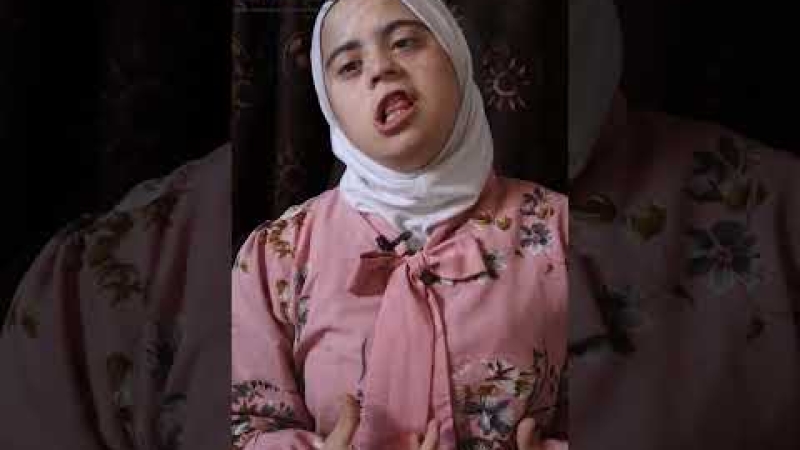
Restoring Access to Integrated Mental Health and Psychosocial Support Services for Syrian Refugees in Gaziantep, Türkiye
Salam Humanitarian Foundation (SHF)

What is our Guide to Collaborative Advocacy - and how will it help stateless changemakers?
European Network on Statelessness
Articles, op-eds & stories

Symposium on the 1951 Refugee Convention at 75: Relevance, Clarity and Application
Elizabeth Tan

Symposium on the 1951 Refugee Convention at 75: With a Little Help from its Friends: the 1951 Convention relating to the Status of Refugees at 75
Geoff Gilbert

Symposium on the 1951 Refugee Convention at 75: The 1951 Convention and the 1967 Protocol – Relevance and a Continuing Foundation for Protection?
Guy Goodwin-Gill & Jane McAdam

Symposium on the 1951 Refugee Convention at 75: Everlasting Cornerstone of Refugee Protection in Europe
Karolína Babická, Rosa Tibbetts, & Stavros Papageorgopoulos

Symposium on the 1951 Refugee Convention at 75: (Re)Centering the Right of Asylum and Refugees in the 75th anniversary of the 1951 Refugee Convention
Liliana Jubilut & James Milner

Symposium on the 1951 Refugee Convention at 75: Introduction
Massimo Frigo & Cornelis Wouters

Symposium on the 1951 Refugee Convention at 75: Its Enduring Role in Human Rights Protection
Matthew Gillett

Symposium on the 1951 Refugee Convention at 75: The 1951 Convention is not a Relic, it is a Warning
Mustafa Alio

Symposium on the 1951 Refugee Convention at 75: The Continuing Relevance of the 1951 Convention Relating to the Status of Refugees to the Judiciary in Canada
Russel Zinn

Symposium on the 1951 Refugee Convention at 75: Resilience in Times of Contestation: The Turbulent Destiny of the Refugee Convention
Vincent Chetail
Reports & briefs
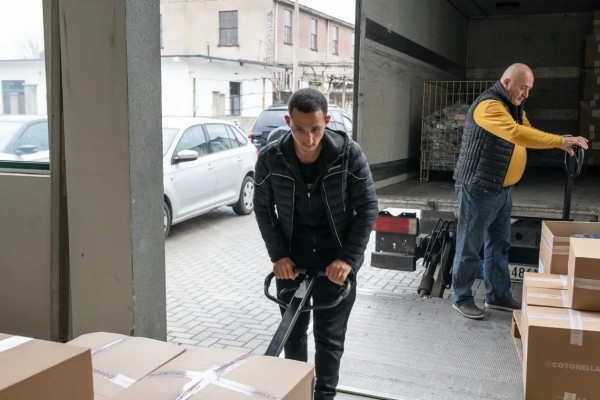
Germany: Economic and employment policies for inclusive labour markets
International Labour Organization
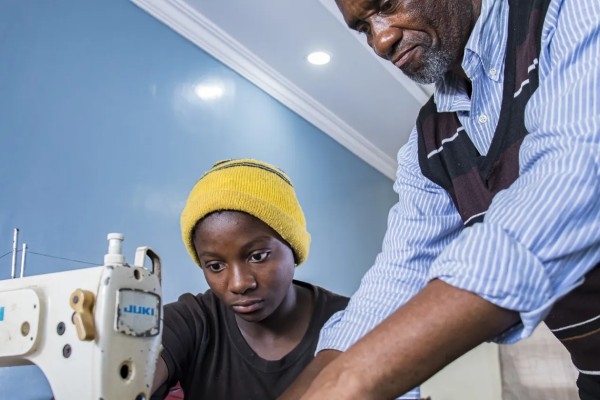
Kenya: Economic and employment policies for inclusive labour markets
International Labour Organization
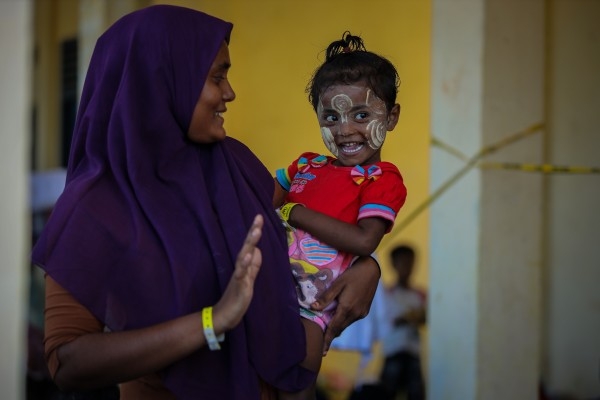
From Pledges to Practice Sustaining Action on Alternatives to Detention, Protection at Sea and Protection from Trafficking
UNHCR
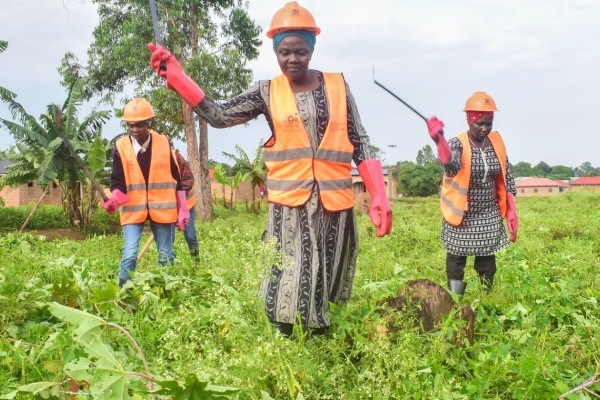
Uganda: Governance frameworks for inclusive access to labour markets
International Labour Organization
Guides & toolkits

A Guide to Collaborative Advocacy on Statelessness: How to centre communities in changemaking
Statefree, European Network on Statelessness, & Apatride Network











Share your content
All members of the international community are encouraged to share examples of their work, using the online form.
Key themes
Content should focus on one or more of the 10 action areas, which are:
- Strengthening commitment to the international refugee protection framework
- Enhancing the fairness and efficiency of asylum systems
- Addressing mixed and onward movements of refugees through route-based, lawful approaches
- Addressing security challenges in line with protection standards
- Strengthening protection partnerships with States and communities
- Expanding refugee access to work, education, sponsorship and family reunification
- Strengthening inclusive national systems and refugee self‑reliance
- Increasing support for voluntary return and reintegration
- Pursuing opportunities for local integration
- Promoting the meaningful participation of refugees and stateless people.
Types of content
Content can be submitted by any stakeholder engaged in refugee protection and international development. The content can include, but is not limited to:
- Information and data related content such as reports, toolkits, analyses, stocktaking outcomes, dashboards, presentations
- News and stories in the form of articles, blogs, interviews (either to be published on the Digital Platform or linked to for those already published elsewhere online)
- Visual assets such as videos, posters, photo exhibitions, drawings, infographics
- Other published content which can be embedded or linked to, such as podcasts and social media posts
Format
Content can be shared by uploading a file in the following formats:
Type | Format | ||
| Word: | .doc and .docx | ||
| Excel: | .xls, and .xlsx | ||
| PowerPoint: | .ppt, and .pptx | ||
| PDF: | |||
| Image: | .jpg, .jpeg, .png, .gif, .eps, and .svg | ||
| Video: | Ideally videos are already uploaded to either YouTube or Vimeo, and the link is shared via the form. However, if you are unable to upload them to your accounts, the video file can be shared in the following formats: .avi, .mp4, .mov, .wmv, .3gp, .flv, and .mpg | ||
| Audio: | .mp3 and .wav |
The maximum file size for each document is 10MB, and up to ten files may be shared at a time. If your files are larger than this, or number more than ten, please include in the form a link to an online folder (e.g. SharePoint or Google Docs) or a file transfer platform, such as WeTransfer, with the files.
Additionally:
- Anything already published online can be linked to directly, for example articles, blogs, Global Compact on Refugees good practices, podcasts and social media posts, and therefore only the link is necessary.
- Content which can be embedded on a webpage, for example PowerBI dashboards, can be shared by sending the embed code via the form.