

Mental Health and Community Support for Ukrainians
Mental Health and Community Support for Ukrainians

The project in brief
The project is implemented by Welcome Japan (Mental Health Care Sub-Committee) and Ukraine Mental Health Interaction Center in Japan and Ukraine. The project started in May 2022 and is ongoing.
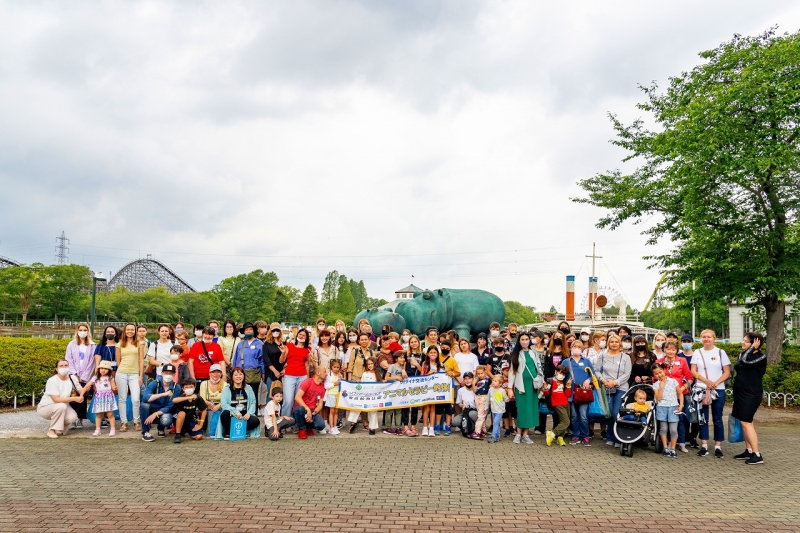
Since May 2022, Welcome Japan’s Mental Health Care Sub-Committee has supported ~1,500 displaced Ukrainians through 150+ group sessions, art therapy, mental health surveys, Japanese language classes, and employment support, aiming to foster resilience, community healing, and integration. A casebook and training workshops are planned to promote long-term wellbeing and self-reliance.
The main goals of the project are to:
- Provide culturally adapted mental health care for ~1,500 Ukrainians
- Reduce isolation through regular group support
- Offer integration assistance (language, education for children, employment)
- Create a casebook and offer training for providers
- Continuously improve programs using survey results
Main activities of the Good Practice
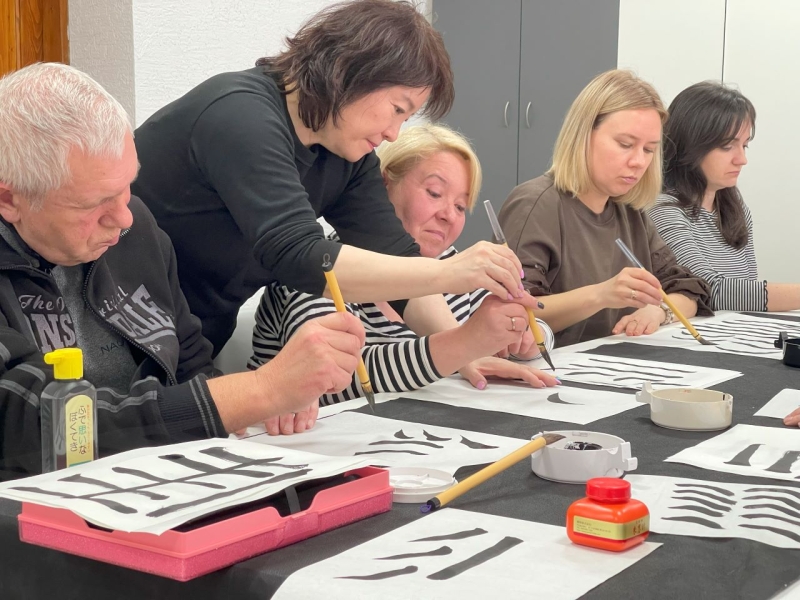
Since May 2022, Welcome Japan’s Mental Health Committee has provided multi-faceted support, including psychological care, language assistance, and employment services, for displaced Ukrainians in Japan and abroad. More than 6,000 individuals participated in over 150 group support sessions. Since October 2024, 10 art therapy seminars engaged 120 participants from Japan, Ukraine, and Poland.
Through a hybrid delivery model, participants accessed sessions remotely, with materials mailed nationwide. Annual mental health surveys (since 2023) helped identify key emotional and practical needs. Practical Japanese classes (linked to employment and education) and monthly business networking events (since August 2024) promoted integration. In summer 2025, a Japanese-language version of First Lady Olena Zelenska’s Ukrainian mental health campaign video, "HOW ARE U?", was produced. A casebook compiling lessons and professional training workshops are under development.
Elements which helped facilitate the implementation of the good practice
- Collaboration with municipalities supporting Ukrainian evacuees
- Use of post-disaster care expertise from the 2011 Japan earthquake
- Volunteers supporting delivery of over 150 activities
- Nationwide access ensured through online and mailed materials
Partners involved
- Volunteer-led, hybrid delivery of 150+ events
- Culturally sensitive programming to build trust
- Partnerships with Japanese government, Ukrainian Embassy, and municipalities
What challenges were encountered in delivering the project and how were they overcome?
Challenges
- Mutual understanding between Ukrainian and Japanese cultures
- Persistent trauma and isolation among displaced people
- Need to expand awareness and support from Japanese individuals and groups
- Ongoing funding and volunteer coordination
How they were overcome
- Collaborative planning with Ukrainian staff
- Safe, inclusive sessions modeled as large families
- Remote access via online tools and mailed materials
- Shared self-care methods for everyday wellbeing
- Education/employment support and public outreach (e.g., symposiums)
- Data-driven needs assessment through surveys
Results of the Good Practice
- 150+ group sessions for ~1,500 Ukrainians
- Hybrid delivery model to ensure access from all over the world
- 10 art therapy seminars with ~120 participants
- Surveys confirmed ongoing high stress levels and program relevance
- Shared practices inspired adaptation of mental health care in Ukraine


In what way does the good practice meet one or more of the four objectives of the Global Compact on Refugees?
Objective 1: Ease the pressures on host countries
The project helps easing pressure on host countries through NGO-led mental health services ensuring the whole of society approach.
Objective 2: Enhance refugee self-reliance
The project enhances refugee self-reliance via emotional resilience, language skills, and employment readiness.
Next steps
- Expand group sessions and art therapy
- Deliver additional integration support based on the surveys
- Finalize and publish the casebook
- Conduct ToT sessions
Are there areas in which support would be required to continue and/or scale up your good practice?
- Funding for sessions, translation, and training
- Technical help for content development and publication
- Partnerships with donors, NGOs, and local governments for scale-up
Submitted by
Mariko Ukiyo, Representative Director of Japanese Organization of Mental Health and Educational Agencies, Representative of Ukraine Mental Health Interaction Center - Himawari
Keiko Takamizo, Director & Secretary General Representative Director of Japanese Organization of Mental Health and Educational Agencies, Secretariat of Ukraine Mental Health Interaction Center - Himawari