

Move for Peace
Move for Peace
The project in brief
The project is implemented by FundLife in Asia and Europe. It began in November 2024 and is currently ongoing.
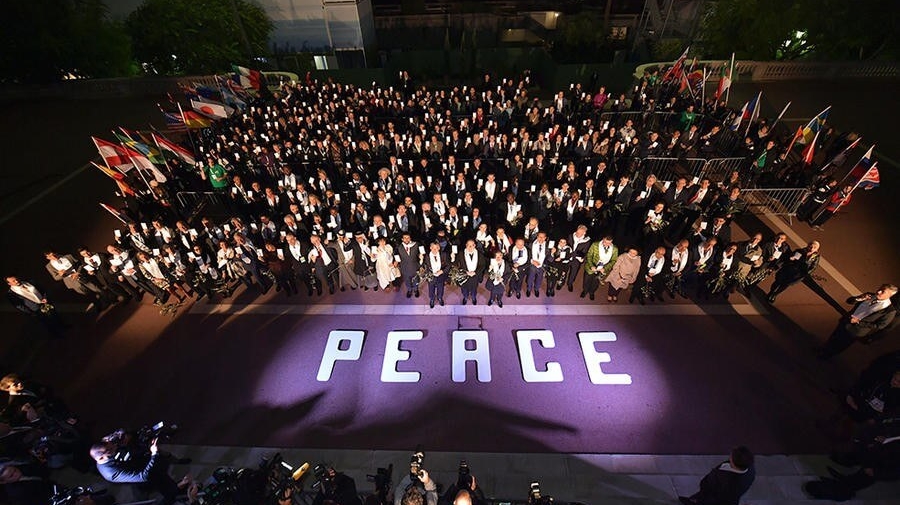
Move for Peace is a refugee-led global movement that uses physical movement as a powerful tool for dignity, inclusion, and advocacy.
It is a symbolic 11-day campaign held every November, culminating on 11.11 (Armistice Day) to honour peace and solidarity.
Each year, refugee-led runs are organized in host cities worldwide, using movement to advocate for dignity, inclusion, and the rights of children and communities affected by conflict.
In host cities around the world, displaced individuals organize community runs to raise awareness for children affected by conflict and to promote solidarity with those still unable to move freely. Through symbolic endurance and collective action.
Move for Peace creates safe, empowering spaces where refugees lead, connect, and inspire change across borders.
Move for Peace aims to restore dignity, amplify refugee leadership, and promote peaceful coexistence through movement-based advocacy. The project seeks to:
- Empower refugees to lead public-facing campaigns in host cities
- Use running as a symbolic and inclusive platform for solidarity
- Raise awareness for children and communities impacted by conflict
- Promote social inclusion, mental well-being, and shared understanding
- Commemorate the world's commitment to Peace
Main activities of the Good Practice
Move for Peace is a refugee-led initiative that transforms running into a platform for visibility, solidarity, and inclusion. Anchored as an 11-day campaign held annually in November to commemorate Armistice Day (11.11), the movement brings together displaced individuals and host communities to promote peace through purposeful physical action.
The core activity is the organization of refugee-led community runs in host cities around the world. These range from symbolic 5KM events to full 42.2KM marathons, depending on local context and participant capacity. Each run is open to all and designed to elevate awareness for children and families affected by conflict, while promoting mental well-being and dignity through movement.
Key pillars include:
- Refugee Leadership: Refugees take the lead in planning, promoting, and executing each local run, ensuring ownership and visibility.
- Public Engagement: Events are hosted in public spaces with inclusive messaging to encourage host-community participation and dialogue.
- Storytelling & Advocacy: Runners and organizers share personal stories tied to conflict, displacement, and hope for peace — through digital media and live reflections.
- Solidarity Mapping: Participating cities are featured on a global map of peace runners to show worldwide unity.
- Youth and Child Participation: Wherever safe and feasible, children are invited to join in shorter runs or related creative activities (art walls, storytelling booths).
The campaign is adaptable, cost-effective, and replicable, making it an ideal platform to foster refugee inclusion and cross-border solidarity.

Elements which helped facilitate the implementation of the good practice
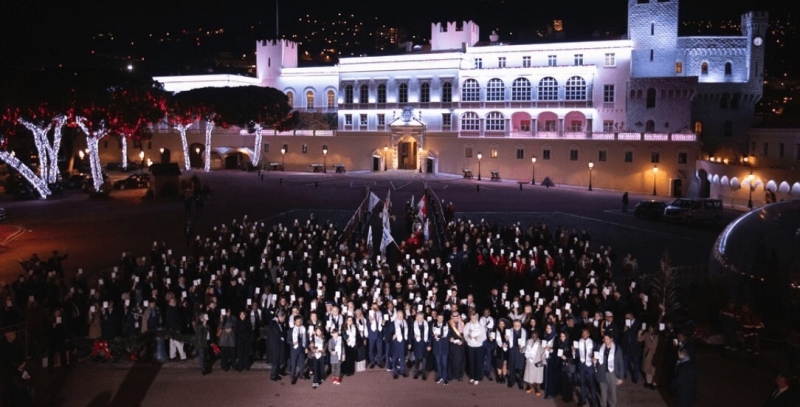
The implementation of Move for Peace was made possible through a combination of supportive local partnerships, open civic spaces, and flexible community engagement policies in host cities. Key enablers included:
- Local government openness to refugee-led initiatives and public events
- Partnerships with grassroots NGOs and refugee networks providing logistical support
- Low-cost, high-impact design, requiring minimal infrastructure
- Existing safe movement policies allowing refugees to organize and participate in civic activities
- Voluntary community funding and solidarity sponsorships that fueled early campaigns
These elements ensured accessibility, safety, and sustainability while centering refugee leadership.
Partners involved
- fundlife.org
- girlsgotthis.org
- birzeit.edu/en
What challenges were encountered in delivering the project and how were they overcome?
Challenges
The greatest challenge in delivering Move for Peace has been securing policy-level support and sustainable funding to scale the initiative globally.
While refugee communities and local citizens have shown strong enthusiasm to lead and participate, translating this grassroots momentum into institutional backing remains difficult. Local events often thrive through volunteerism and informal partnerships, but scaling to more cities and reaching displaced communities in fragile contexts requires structured, long-term support.
Despite aligning with values of inclusion, dignity, and peaceful advocacy, accessing UN-level or government-aligned funding remains limited. Many traditional donors hesitate to fund visibility-based initiatives, even when the impact on mental health, social cohesion, and public engagement is clear.
Similarly, gaining support from leading sports federations has been challenging, as many are hesitant to engage with campaigns connected to highly politicized issues like conflict, displacement, or occupation. Even when the message is humanitarian and unifying, the political sensitivities involved create barriers to endorsement or funding.
Finally, in some host countries, policy constraints around public assembly and refugee participation further limit what communities can organize on their own.
In short, the demand is there — communities are ready to move. What’s missing is institutional courage and investment to match their momentum.
How they were overcome
Despite limited media coverage and minimal institutional support, Move for Peace has grown through the strength of local leadership and community resilience. Refugees and grassroots organizers have taken ownership of the campaign in their cities, adapting it to their realities and mobilizing participation through word of mouth, social media, and community networks.
To overcome funding challenges, the campaign successfully engaged a small but committed group of private funders and individual donors who believed in the power of movement-led advocacy. These supporters enabled the delivery of key events in several countries and covered essential logistics, allowing the campaign to remain independent, low-cost, and scalable.
Rather than waiting for top-down approval, the initiative focused on building from the ground up — relying on trust, solidarity, and a shared purpose. This community-first approach not only made implementation possible, but also deepened the authenticity and impact of each event.
Results of the Good Practice
Move for Peace has had meaningful impact on both refugee participants and host communities by providing a platform for dignity, expression, and connection. Refugees involved in organizing or participating in the runs have reported increased confidence, a sense of ownership, and improved mental well-being. The campaign fostered meaningful interaction between displaced and host communities, strengthening social cohesion and shared purpose.
Beyond the local level, the campaign successfully reached global decision-makers working in the sport for peace and social impact sectors. Through its bold, refugee-led approach and symbolic visibility, Move for Peace gained the attention of influential stakeholders at global forums and policy spaces.
As a result, the campaign helped secure a USD 200,000 commitment toward programs supporting children affected by conflict — with a broader ambition of delivering a USD 5 million commitment by 2025. This momentum is now laying the foundation for more sustainable, long-term investments in refugee-led and community-powered movement initiatives that prioritize inclusion and healing through sport and public action.
The campaign’s success proves that when refugees lead and the world listens, change is not just possible — it’s powerful.
In what way does the good practice meet one or more of the four objectives of the Global Compact on Refugees?
Objective 1: Ease the pressures on host countries
Move for Peace contributes to easing pressures on host countries by promoting social cohesion, public engagement, and positive visibility of refugees through inclusive community-led events. By enabling refugees to lead symbolic public runs alongside host community members, the campaign fosters mutual understanding, trust, and shared ownership of public spaces.
This visibility not only counters negative narratives around displacement, but also supports smoother integration, helping reduce social friction and building goodwill between host populations and displaced communities. Additionally, by operating on a low-cost, volunteer-driven model, the initiative does not place financial strain on host governments or service providers, while still delivering meaningful social outcomes.
Objective 2: Enhance refugee self-reliance
Move for Peace directly supports refugee self-reliance by placing refugees at the center of planning, leading, and executing local campaigns. The initiative builds leadership capacity, enhances community organizing skills, and fosters confidence through public engagement. Refugees are not only participants — they are decision-makers, storytellers, and advocates.
By enabling them to shape and lead inclusive events, the campaign cultivates autonomy, strengthens personal agency, and promotes a sense of belonging in host communities. This empowerment contributes to broader self-reliance by giving refugees the tools and networks to influence change, raise awareness, and mobilize support for their communities independently.
Objective 4: Support conditions in countries of origin for return in safety and dignity
While Move for Peace is currently implemented in host countries, the campaign holds strong potential to be adapted and delivered in post-conflict communities and cities. Its symbolic, community-led approach can play a powerful role in helping societies rebuild identity, restore trust, and promote healing through shared physical movement and public expression.
By engaging returning populations, youth, and local residents in inclusive and peaceful activities, Move for Peace can contribute to psychosocial recovery, community cohesion, and the rebuilding of safe civic spaces — all essential components for dignified and sustainable return.
Next steps
Move for Peace will continue and expand in 2025. The campaign is set to return as a global, 11-day refugee-led movement in November, with an expanded network of host cities and community partners. Planning is already underway to involve more displaced youth, amplify advocacy efforts, and grow the campaign’s reach — with the aim of delivering on its USD 5 million commitment for children affected by conflict.
Are there areas in which support would be required to continue and/or scale up your good practice?
To continue and meaningfully scale Move for Peace, we require strategic support at the highest levels — particularly within international platforms and funding ecosystems.
There is an urgent need for the campaign to be formally recognized and included in UN-level discussions and global convenings, especially those focused on refugees, peace-building, sport for development, and youth leadership. Providing space for refugee-led initiatives like Move for Peace to be seen, heard, and supported at these forums would significantly amplify its credibility, visibility, and policy influence.
Additionally, to meet our ambition of reaching more host cities and delivering a USD 5 million impact commitment by 2025, we are actively seeking engagement with high-level funders and institutional partners. Support in accessing these networks — whether through introductions, endorsements, or collaborative frameworks — would help unlock scalable, long-term impact.
The campaign has proven its potential at the grassroots. With the right platform and partners, it can become a globally recognized model of refugee leadership, dignity through movement, and people-powered peace-building.