

Pledge archiving: strengthening the integrity of the GCR
Pledge archiving: strengthening the integrity of the GCR
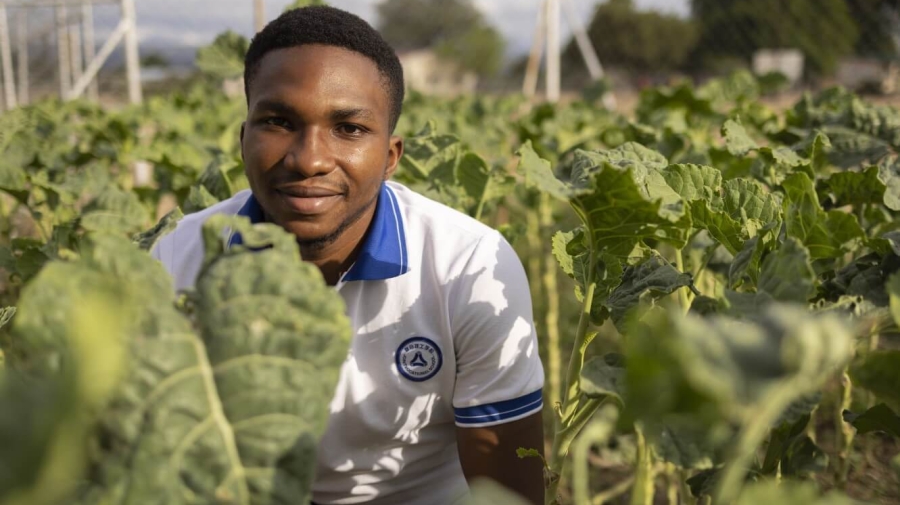
Earlier this year, more than 750 pledges were archived. This article explores why pledges are archived, what archiving means in practice, and why maintaining accurate reporting is essential to the credibility of the Global Compact on Refugees process.
As facilitator of the Global Compact on Refugees (GCR), UNHCR, through its GCR Section, maintains the GCR Digital Platform and its pledges dashboard. The purpose of both these products is to help the international community track progress, celebrate the many achievements of towards the GCR's objectives, and find new, more collaborative ways of working.
As part of this, stories on new pledge announcements and progress towards existing ones feature heavily on the Platform, paying tribute to the aspirations and exceptional work that are at the heart of making the GCR a success. The Platform is designed not only to showcase commitments and achievements, but also to support transparency and evidence-driven stocktaking of progress towards the implementation of the Compact.
Reliable and up-to-date data is essential to understanding where momentum is being sustained, where additional support may be needed, and how collective efforts are contributing to the objectives of the Compact.
A tool for accountability
This Platform celebrates successes because strengthening support for refugees and host communities lies at the heart of the Global Compact on Refugees. It is both our ambition and our duty to make refugee responses more equitable. It is our duty to host countries bearing the brunt of the responsibility to help people forced to flee. And our duty to forcibly displaced people, whose rights must be protected and whose self-reliance must be enabled.
For this reason, we must also ensure that the commitments we celebrate are turned into action. Empty and broken promises do more harm than good. They give the impression of support without it ever being delivered.
Why are pledges archived?
Twice a year, pledging entities are asked to voluntarily report on the progress they are making towards their pledges. Updates can be provided at any time, but these biannual campaigns serve to remind stakeholders of their responsibility to report. This helps track the progress already made and refocus efforts on gaps in support and is why any pledges for which no update is received for at least two years will be archived. Archived does not mean deleted; it simply means such pledges are no longer visible on the public-facing dashboard. Pledges can be unarchived when a progress update is submitted.
Holding to account or hiding failure?
So why hide these pledges rather than highlight the backtracking?
The reasons why pledges are not reported on can vary widely. Some entities may not provide updates because of organisational changes which temporarily hinder reporting. Others may have had to give up on their plans, through no fault of their own, after losing or failing to attract support.
For example, a large number of policy pledges from host countries are reliant on financial, technical, and material support from others in order to be delivered. Shifting priorities, funding cuts, or changes in the political landscape can all disrupt even the most well-intentioned commitments.
Since 2019, we have also seen a growing trend of some pledges being replaced or superseded by different ones, which may go further than previous commitments. When we are made aware of such changes, we work with the pledging entity to update their commitments accordingly.
In short, without an update we cannot know the whole story. Archiving is not intended as a punitive measure, but as part of maintaining the integrity, relevance, and credibility of the GCR monitoring framework.
Supporting transparency through accurate reporting
Ultimately, in our role as facilitator, it is not our place to cast aspersions on those unable to report.
However, it is our responsibility to provide the most accurate data we can that best shows the actual work and ambitions of all stakeholders. Ensuring that publicly visible data reflects active engagement strengthens the value of the Platform for all stakeholders. This is essential for the integrity of the Compact’s reputation. But more importantly, for the sake of refugees and their host countries. We will continue our outreach campaigns to collect updates on progress and to understand the challenges faced by pledging entities regarding pledge implementation. As called for during the GRF Progress Review, this will guide our collective work to optimize the GRF pledging framework.
Related content


