Arab Republic of Egypt

Arab Republic of Egypt
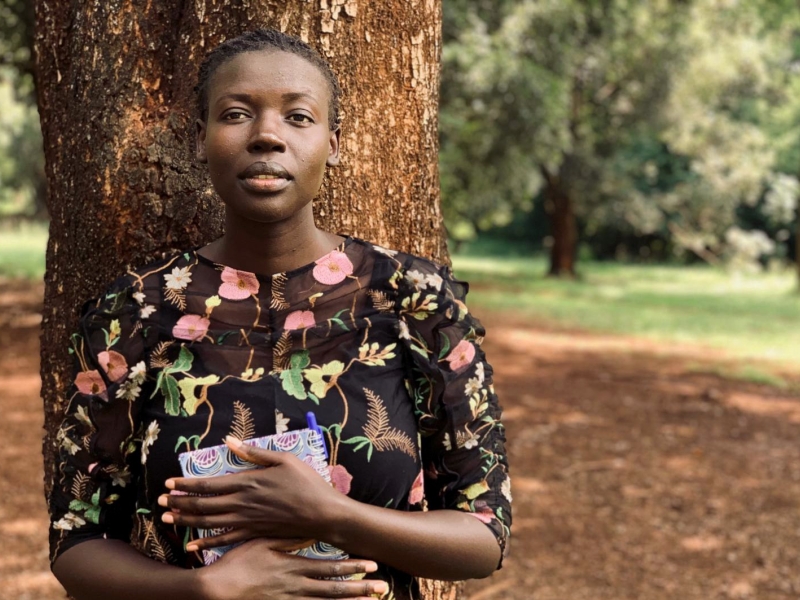
Susan, a refugee from South Sudan (L), seen at a World Refugee Day 2024 celebration in Egypt.
Egypt has continuously demonstrated its unwavering support, offering refuge to those fleeing conflict and persecution. Egypt is a home to hundreds of thousands of refugees and asylum seekers from Sudan, Syria and 60 other nationalities. Egypt adopts a welcoming out-of-camp policy, enabling refugees to choose where to settle, with the majority living in urban settings across major cities alongside host communities. Egypt’s policies respect the right of refugees to freedom of movement as an essential human right and facilitate their inclusion in Egyptian Society. Respect for human rights and dignity, non-discrimination, and the right to a decent life continue to guide Egypt’s approach towards refugees.
Egypt is the top host country for those fleeing the war in Sudan, with 800,000 Sudanese registered in Egypt and a total registered refugee population exceeding one million. Egypt has the highest number of registered refugees in Middle East and North Africa and, in 2024, became the second country globally in terms of the asylum claims filed. The Government has been actively engaging in discussions on the Global Compact on Refugees (GCR), which aims to strengthen the cooperation and solidarity between refugees and affected host countries.
On 16 December 2024, Egypt’s new Asylum Law was enacted by H.E. President Abdel- Fattah El-Sisi. The adoption of the law represents the first step in Egypt's establishment of a normative domestic asylum framework and system that is in line with international standards. The law entails the establishment of a Permanent Committee for Refugee Affairs (PCRA) under the Prime Minister’s oversight. UNHCR and partners will continue to work closely with the Egyptian Government to support the transition to a state-led responsibility. UNHCR has presented to the Government of Egypt with a roadmap and aims to work closely with the Government of Egypt to facilitate a successful and gradual transition.
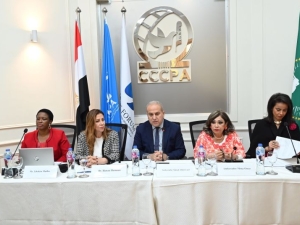
In June 2025, Egypt launched its first national response plan Egypt Refugee and Resilience Response Plan ERRRP 2025. The Plan adopts a holistic “One Refugee” approach addressing the needs of refugees in the country and mitigating the impact on host communities. The plan sets a strategic vision that aims to support the efforts of the Government, ensuring complementarity between humanitarian and development partners and advocating for more support by the international community, in line with the GCR.
Egypt’s unique context and longstanding hospitality calls for increased international support in line with the GCR responsibility-sharing principal. There is a need to widen the support to the Government of Egypt, to ease the pressure on affected host communities and offer refugees and asylum seekers dignified access to services.
Egypt has embarked on transitioning to a government-led asylum system in line with the national asylum law, enacted in December 2024. This is a unique window of opportunity and UNHCR is working with the Government of Egypt to further enhance access to state-based services through inclusive policies, in the areas of education, healthcare and access to formal labor market.
Egypt’s Response and Implementation of the GCR
At the Global Refugee Forum (GRF) 2023, Egypt submitted three pledges focusing on education, health, peacebuilding, and climate action. In addition, three pledges were submitted under the UN Common Pledge by the United Nations Country Team (UNCT) and a faith-based organization, The Diocese of Egypt, targeting key areas such as health, education, civil registration, data inclusion, and the provision of basic services to refugees and host communities. Furthermore, fourteen pledges made in the same year by regional and global actors referenced Egypt, covering a wide range of thematic areas including education, health, peacebuilding, climate resilience, jobs and livelihoods, resettlement and complementary pathways, data inclusion, sports, registration, and basic services. These pledges reflect a strong international commitment to support Egypt’s efforts in hosting and integrating refugees. At the GRF Progress Review in December 2025, the Government of Egypt announced three new pledges focusing on livelihood and socio-economic opportunities for refugees and asylum-seekers; supporting the establishment and operationalization of a comprehensive national asylum system aligned with international standards; and lastly strengthening multi-dimensional responses to forced displacement and its implications on security and development.
Egypt Booklet - Global Refugee Forum Progress Review 2025

Namarek Bakry (12, left) and Khadiga Hassan (12, right), both from Sudan, were among the top-performing students in this summer’s Instant Network Schools activities in 6th of October, part of the Vodafone Foundation – UNHCR programme. They each received a certificate and a prize in recognition of their dedication and progress.
Egypt Booklet - Global Refugee Forum Progress Review 2025
An overview of the pledges made by the Government of Egypt, and the progress made and challenges faced in implementing them.
Multi-stakeholder pledge
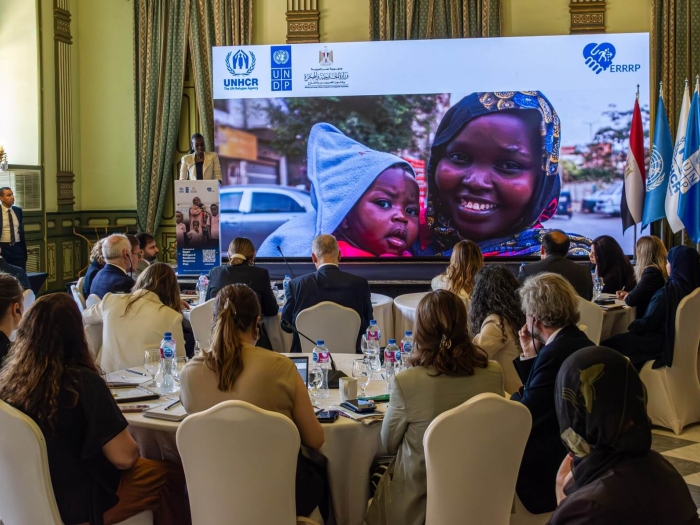
Egypt. Sudanese refugee and Nansen Award winner Nada Fadol participates in the launch of Egypt’s Refugee Response Plan.
Multi-stakeholder pledge
News & stories

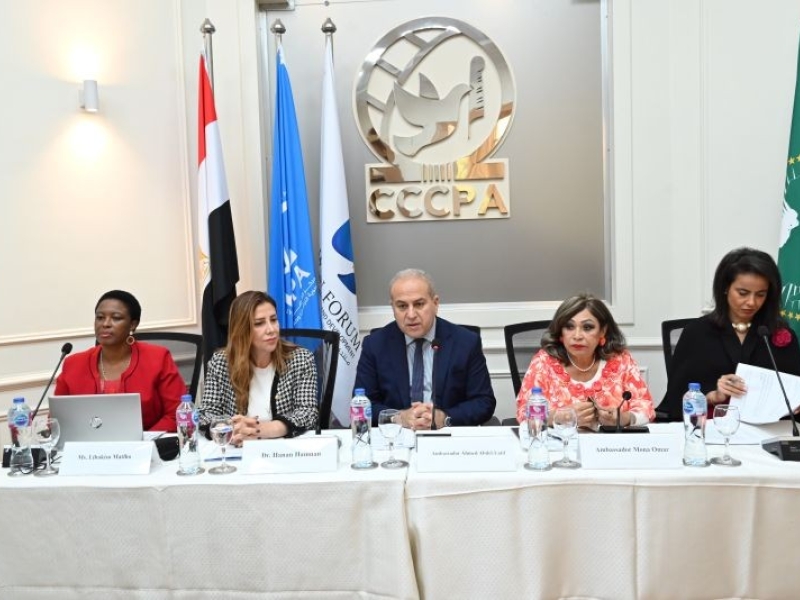


The sessions will be hosted by the Centre for Migration and Refugee Studies at the American University in Cairo.
Rebuilding trust after disruption: Pathways to reset international cooperation


Related content