Securing solutions together: reflections from the 2025 Consultations on Resettlement and Complementary Pathways
Securing solutions together: reflections from the 2025 Consultations on Resettlement and Complementary Pathways

The Consultations on Resettlement and Complementary Pathways (CRCP) are the biggest international forum dedicated to what are commonly referred to as “third country solutions”: opportunities for refugees to safely relocate to a country other than the one where they first sought refuge after fleeing conflict, war or persecution.
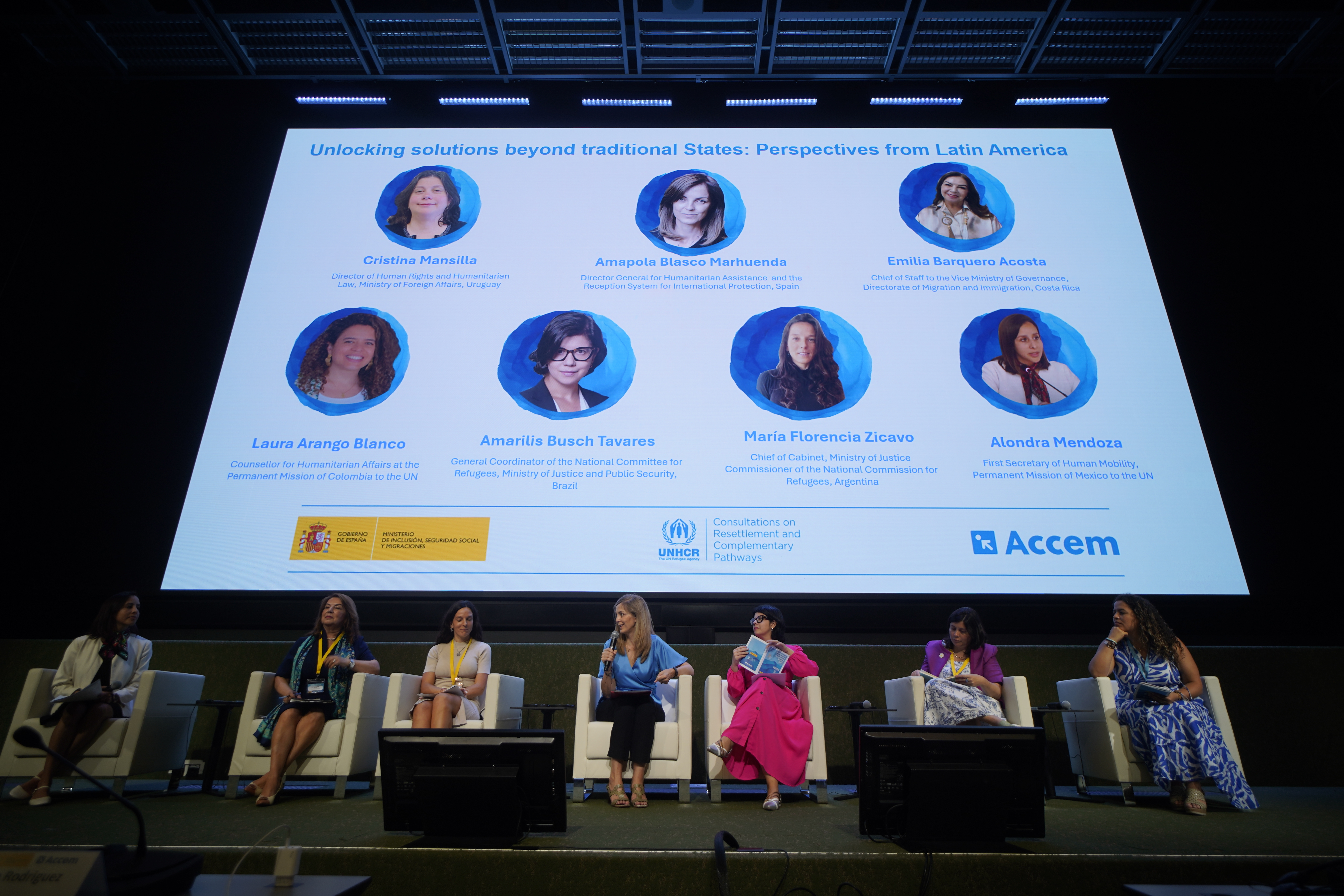
Held from 25 to 27 June in Geneva, the 2025 CRCP marked its 30th anniversary under the theme “30 years of securing solutions together”. Co-chaired by the Government of Spain and the Spanish NGO Accem, and supported by UNHCR, the event welcomed over 300 participants across 30 sessions focused on resettlement and complementary pathways.
We spoke with some of the participants to gather their reflections. Here’s what they had to say:
A united community that continues to show up
This year’s event took place against a challenging backdrop: as forced displacement remains untenably high, both engagement and financial resources are shrinking. Yet, the commitment of the CRCP community remained unwavering.
“We were still there, though”, said David Herrero, from the Government of Spain. “Resettlement countries, countries of first asylum, NGOs, refugees, academia and the private sector discussing how to change the narratives about legal pathways for refugees, how to make pre-departure orientation sessions have a greater impact on future integration, about resource-sharing strategies to sustain resettlement, refugee participation, their emotional well-being, and the routes-based approach, among many other things. It's no small feat.”, he added.
Eilis Pourbaix, from the Government of Canada, praised the importance of multilateralism which makes it possible to share best practices, confront common challenges and co-develop more responsive and coordinated approaches. “The 2025 Consultations underscored the enduring value of a global community of practice around resettlement and complementary pathways—one grounded in solidarity, shared responsibility and a commitment to protection.”

Refugees at the centre of the process
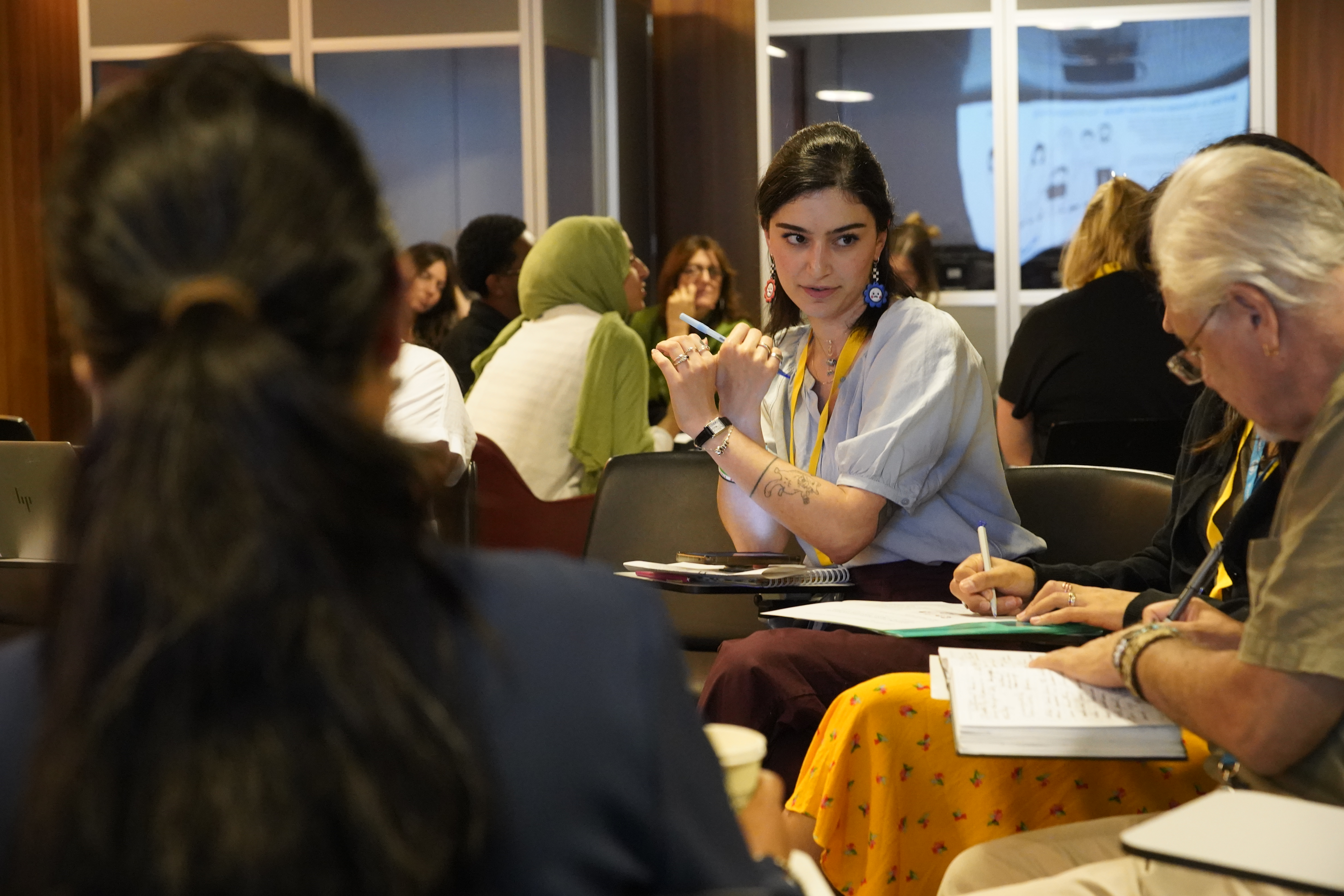
A defining strength of the CRCP community is the active participation of people with lived experience of forced displacement. The CRCP has a dedicated Refugee Advisory Group, that played a fundamental role in shaping the agenda, leading sessions, and serving as moderator and speaker throughout the three days. With many State and NGO delegations including refugee participants, the total share of attendees with experience of forced displacement reached 18 per cent.
Sara Kuwatly, member of the Refugee Advisory Group to the CRCP, stressed the importance of refugee inclusion in decision-making processes. “Our firsthand experience of displacement brings reality to policy discussions, reminding us that behind every statistic is a human story”.
Suzan Husseini, a fellow member of the Group, reflected on the impact of refugee voices in shaping dialogue. “I saw how impactful it is when refugee voices are not only included but guide the discussion, particularly on topics like employment, integration, and skills-based pathways [...] Yet there is still a long way to go in translating this recognition into practice,” she added.
Partnerships at the core of sustaining and expanding third-country solutions
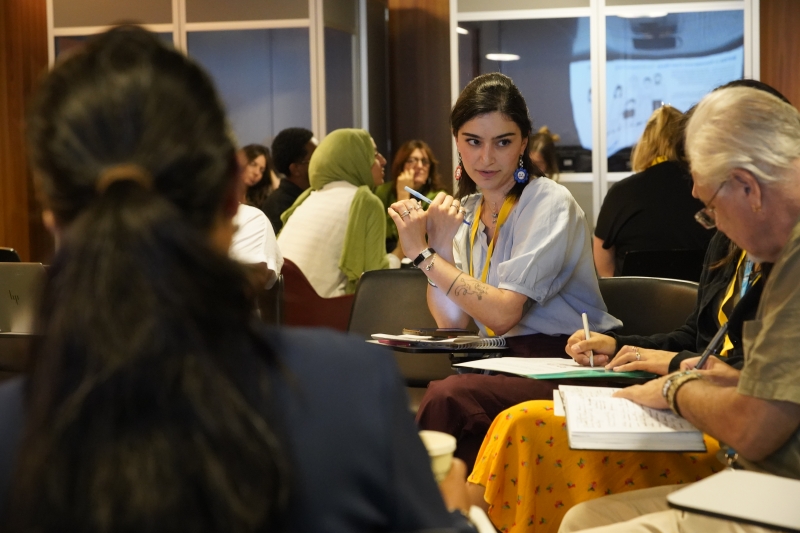
“What emerged most clearly was the importance of sustaining this collective infrastructure to help safeguard and advance these durable solutions creatively, even amid uncertainty”, stressed Ellis Pourbaix reflecting on this year’s event. Resettlement and safe migration pathways give refugees a chance to rebuild their lives in new countries. But the benefits extend beyond individuals and their families. “Experience evidences that refugees enrich the countries that welcome them in social, economic and cultural terms, and that should be the leading principle in the collective action and engagement for reaffirming and expanding the global efforts towards refugees’ protection”, stressed Teresa De Gasperis from Accem, co-chair of the 2025 CRCP.
To ensure that more refugees have these opportunities, building strong partnerships and diverse alliances is essential. “In order to support and expand resettlement and complementary pathways, the involvement of non-traditional actors (i.e. private sector, academia, community leaders with refugee background, famous personalities, etc.) is key.” underscored Teresa.
When it comes to the role of academia, Grace Benson, scholar at the American University, acknowledged the divide that is often observed between the knowledge among academics and policy implementers. Yet, academic research on forced displacement, especially when led and conducted in collaboration with people with lived experience and people working in the field, can improve policies and protection for refugees. “Academia offers pivotal findings that can help support and extend protections for refugees by highlighting the strengths of different resettlement programs, identifying areas for improvement, and showing the economic and social contributions of refugee communities.”, she noted.
The CRCP reaffirms the power of collective action and a multi-stakeholder approach in the true spirit of the Global Compact on Refugees. As the global humanitarian landscape continues to be marked by instability, the value of communities united by shared determinations to secure solutions for refugees grows even stronger.
Further resources
Related content