Leading Change: Voices of Forcibly Displaced Women Implementing the Global Compact on Refugees
Leading Change: Voices of Forcibly Displaced Women Implementing the Global Compact on Refugees

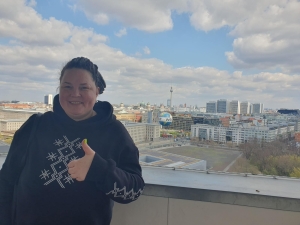
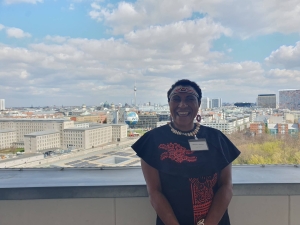
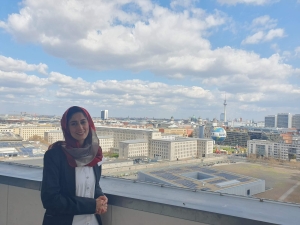
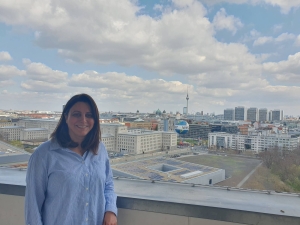
Members of the Action Network on Forced Displacement at the Annual Meeting in April 2025
The Global Compact on Refugees, and the Global Refugee Forum are powerful examples of meaningful participation for women leaders. I was honoured to be part of several multi-stakeholder pledges, most notably the Pledge on Gender Equality and Protection from Gender-Based Violence.
- Taban Shoresh, CEO of The Lotus Flower
The lived experiences and leadership of women like Anastasiia, Maryanne, Rebecca, Safia, Taban and Vlada — members of the Action Network on Forced Displacement — demonstrate how grassroots action is driving the implementation of the Global Compact on Refugees (GCR).
Transforming Pledges into Progress: Germany’s Support of Forcibly Displaced Women’s Leadership
Germany’s pledge made at the Global Refugee Forum (GRF) 2019 marked an important step towards gender-responsive international cooperation by committing to promote the economic empowerment and political participation of women affected by forced displacement and conflict. This included the creation of the Action Network on Forced Displacement – Women as Agents of Change and a dedicated fund to support grassroot, women-led initiatives. By 2023, this vision had materialized into a vibrant, multi-stakeholder partnership. Through collaboration between the German Federal Ministry for Economic Cooperation and Development (BMZ) and its technical partner GIZ, Women's Peace and Humanitarian Fund (WPHF), The Lotus Flower, and New Women Connectors, Germany reaffirmed its leadership by advancing the meaningful participation of forcibly displaced women and girls in decision-making spaces. With continued financial and logistical support, Germany is helping to amplify women’s voices, foster peace, and build inclusive, feminist responses to displacement.
Despite operating in vastly different contexts, women leaders, and women-led organizations (WLOs), including those led by forcibly displaced women, share a common commitment: advancing gender equality and addressing gender-based violence (GBV) through locally led, survivor-centred approaches.
It is not enough to include refugee women on the margins of systems that are already failing. What we need is a redistribution of political, economic, and symbolic power — and that is only possible if investment is made in the leadership of women, especially those who have been historically silenced.
- Vlada Krasova Torres, member of Feminist League of Political Refugees of Nicaragua and Escarlata Colective
Each of these women is advancing the GCR’s core objectives by centring gender equality, amplifying the voices of forcibly displaced women and girls, and addressing GBV through community-driven, context-specific solutions.
Their efforts bring the Gender Equality and Protection from Gender-Based Violence Multi-stakeholder Pledge to life, transforming global promises into tangible, life-changing results. From creating safe spaces and legal aid services to advocating for inclusive education, peacebuilding and policy reform, these leaders are not only responding to immediate protection needs but also reshaping systems to be more inclusive, equitable, and resilient. Their stories make a compelling case for sustained investment in women-led organizations as a cornerstone of effective, rights-based refugee responses.
Leaders like Anastasiia, Maryanne, Rebecca, Safia, Taban and Vlada exemplify how WLOs ease pressures on host countries (GCR Objective 1) by fostering community-based solutions and social cohesion. They enhance refugee self-reliance (GCR Objective 2) through education, economic empowerment, and leadership development. Their advocacy and engagement with global stakeholders expand access to third-country solutions (GCR Objective 3), while their peacebuilding and systemic change efforts support safe and dignified returns for all displaced people (GCR Objective 4). Furthermore, WLOs, including those led by forcibly displaced women, operationalize the GCR’s commitment to meaningful participation, ensuring that forcibly displaced and stateless women are not only protected but empowered to shape durable solutions.
The Action Network has been a powerful space for support, solidarity, and collective advocacy.
- Anastasiia Nenka, Director of the Women’s Information Consultative Center
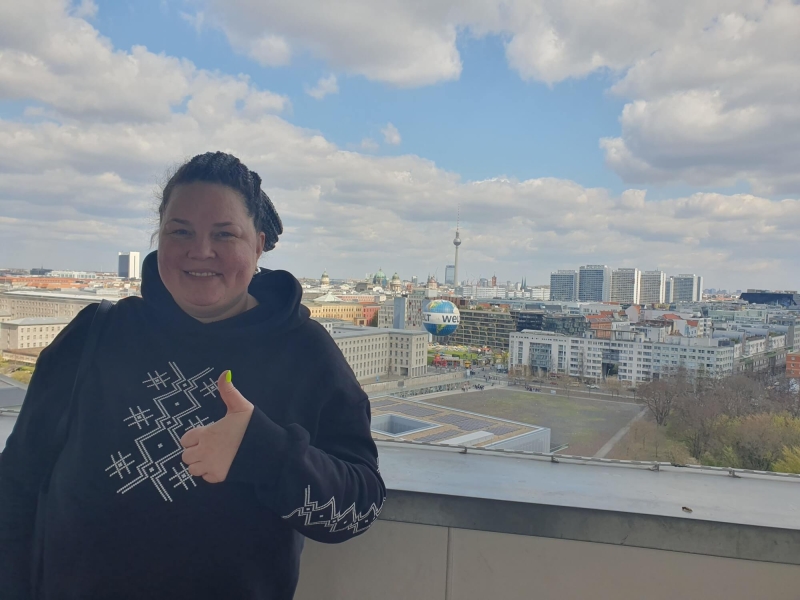
Anastasiia
Anastasiia is the Director of the Women’s Information Consultative Center in Ukraine and a member of the Action Network on Forced Displacement.
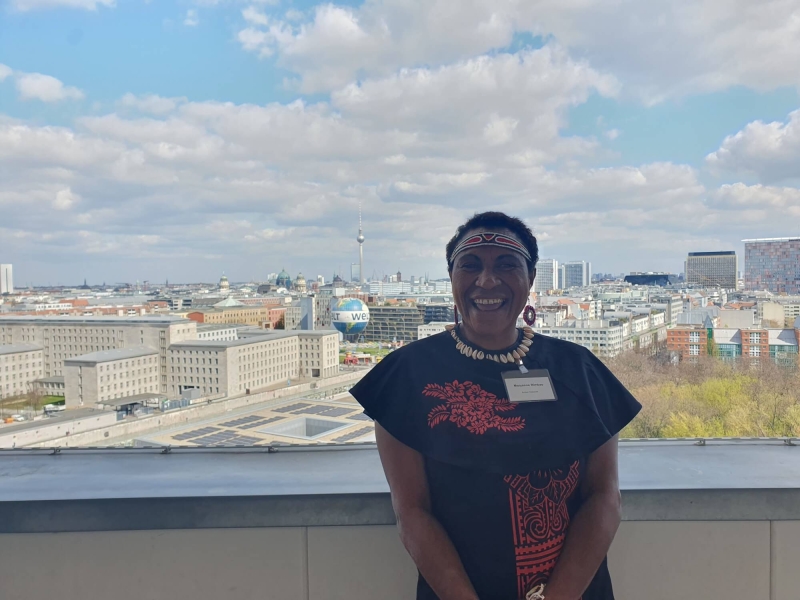
Maryanne
Maryanne is the Founder and Director of Humanity and Nature Indigenous Women’s Association in Papa New Guinea and a member of the Action Network on Forced Displacement.
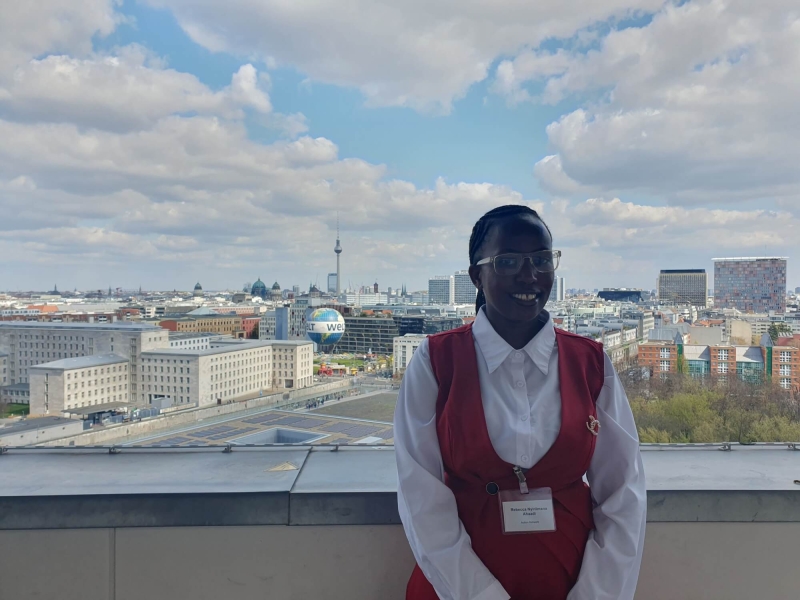
Rebecca
Rebecca is a refugee from the Democratic Republic of the Congo, a member of the Action Network on Forced Displacement and the founder of She-Rendezvous, a refugee girls-led group in Uganda.
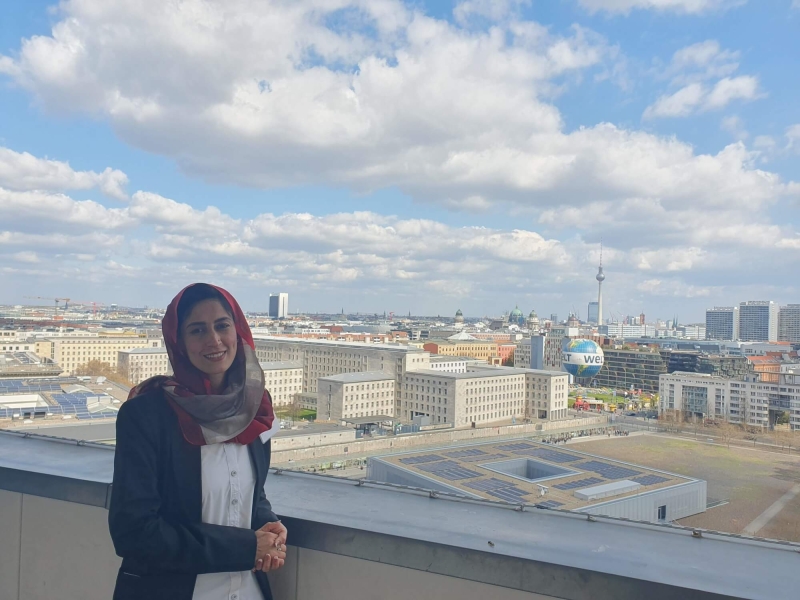
Safia
Safia is an Afghan refugee, member of the Action Network on Forced Displacement and Co-Founder and former Co-Chair of UNHCR’s Global Youth Advisory Council.
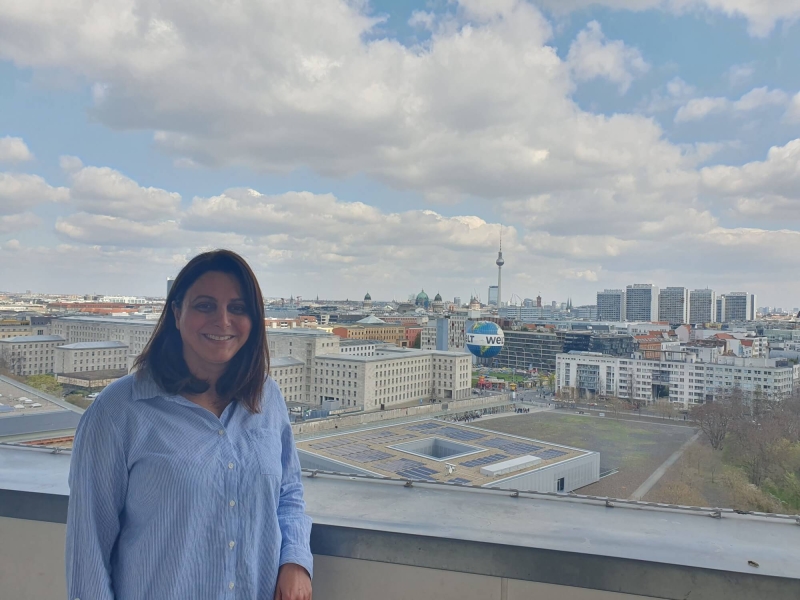
Taban
Taban is a spokesperson for the Action Network on Forced Displacement and founder and CEO of The Lotus Flower
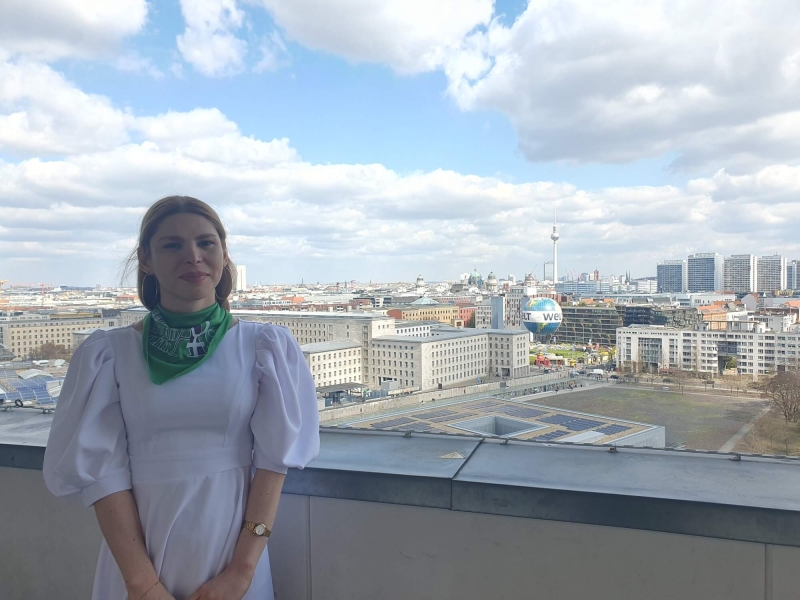
Vlada
Vlada is a member of the Action Network on Forced Displacement, a transgender refugee woman from Nicaragua, and part of the Advocacy Commission of the Feminist League of Political Refugees of Nicaragua, as well as the feminist collective Escarlata