Welcome to the Digital Space for the Global Refugee Forum Progress Review 2025

Welcome to the Digital Space for the Global Refugee Forum Progress Review 2025
Kenya. Students use tablets at the Instant Network School.
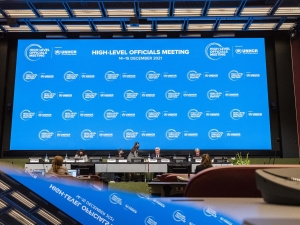
The Global Refugee Forum (GRF) Progress Review, the second high-level officials meeting, took place from 15 to 17 December 2025 in Geneva, Switzerland. It provided a vital opportunity to take stock of progress, identify gaps in responses, and further engage with all stakeholders, particularly States, to ensure momentum is maintained.
This Digital Space is a platform for GCR stakeholders to share some examples of the work they are doing towards implementing the Global Compact on Refugees.
Reports

Mesik, a member of the host community living next to a refugee camp, proudly serves as one of the youth peacebuilders in her community. She values her role and the opportunity to work alongside other young people to address the challenges faced by both youth and the wider community — a crucial step toward community development.
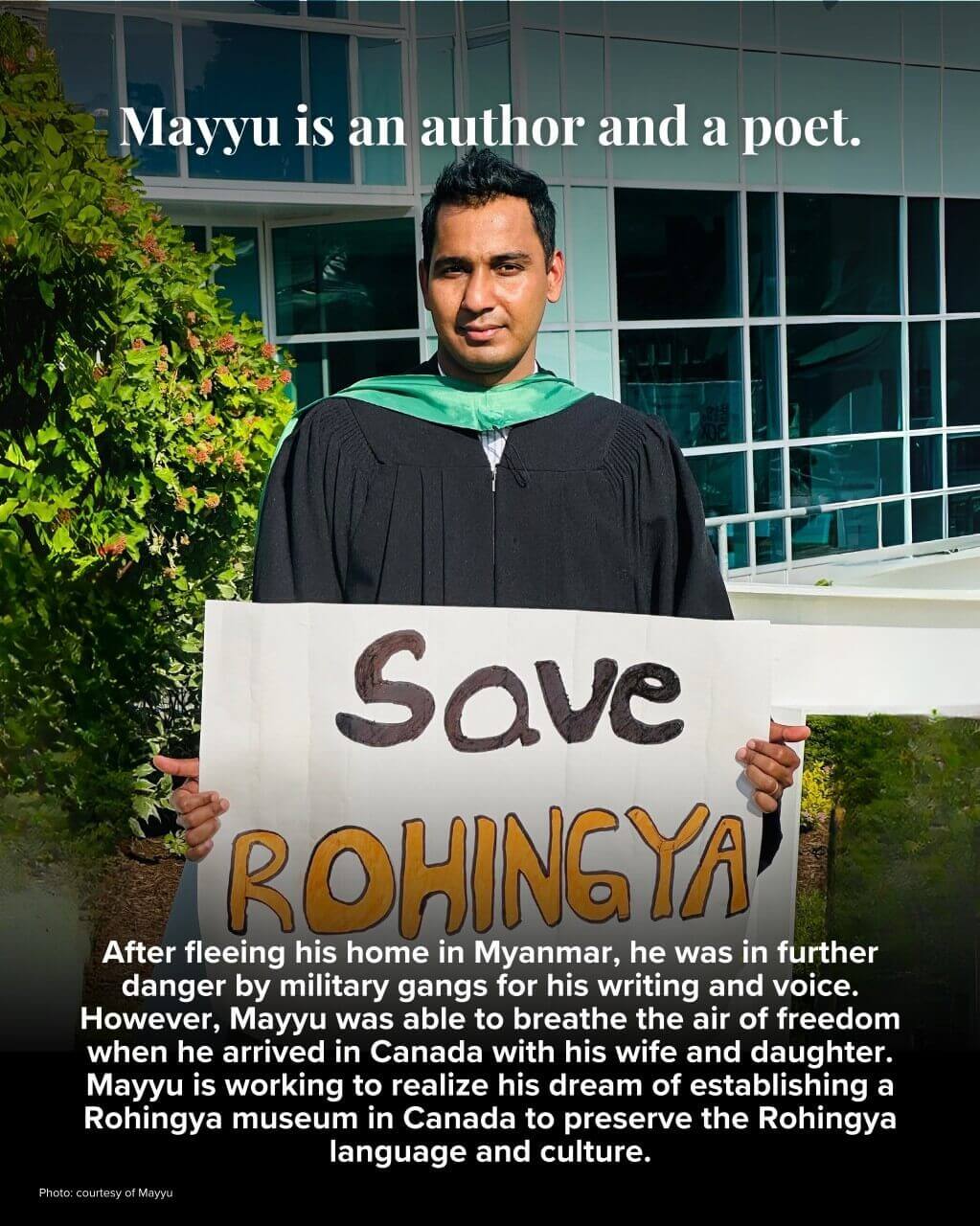
Text and media 10
Global Refugee Forum Pledge Stocktaking Report 2025
Key takeaways and challenges from stocktaking on the progress of pledges towards the Global Compact on Refugees






Videos







News & stories
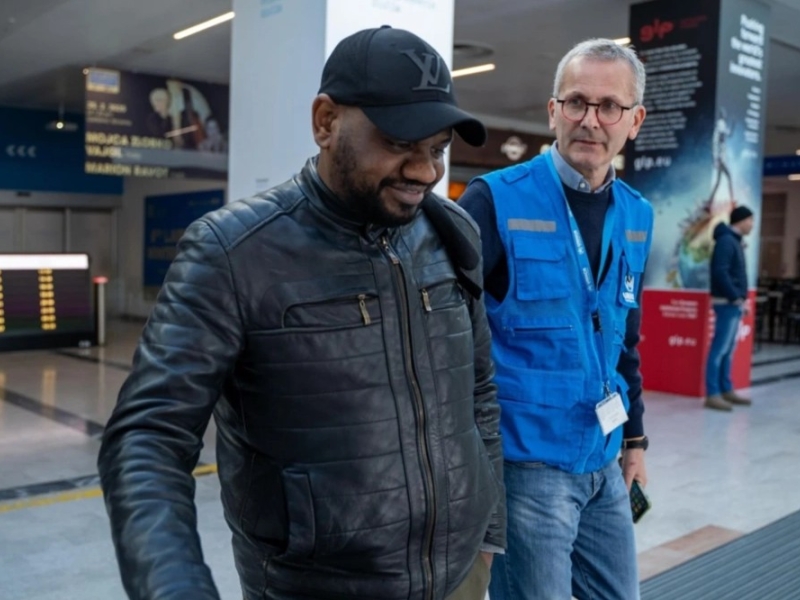



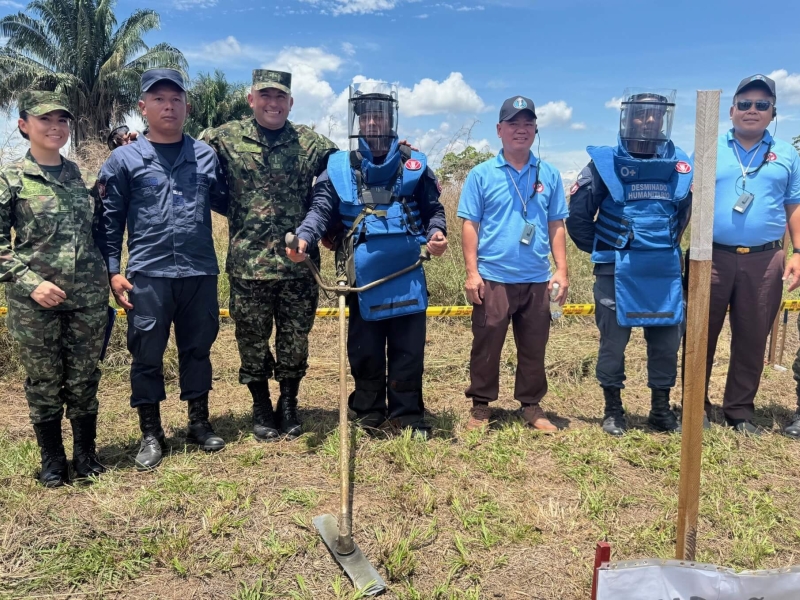
Mine Action: a prerequisite for Refugee and IDP Returns



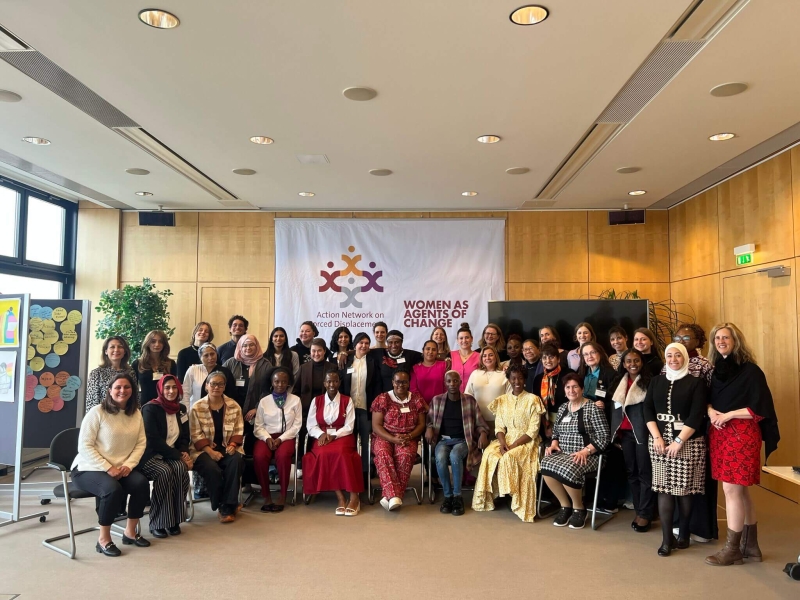
Images, infographics & social media
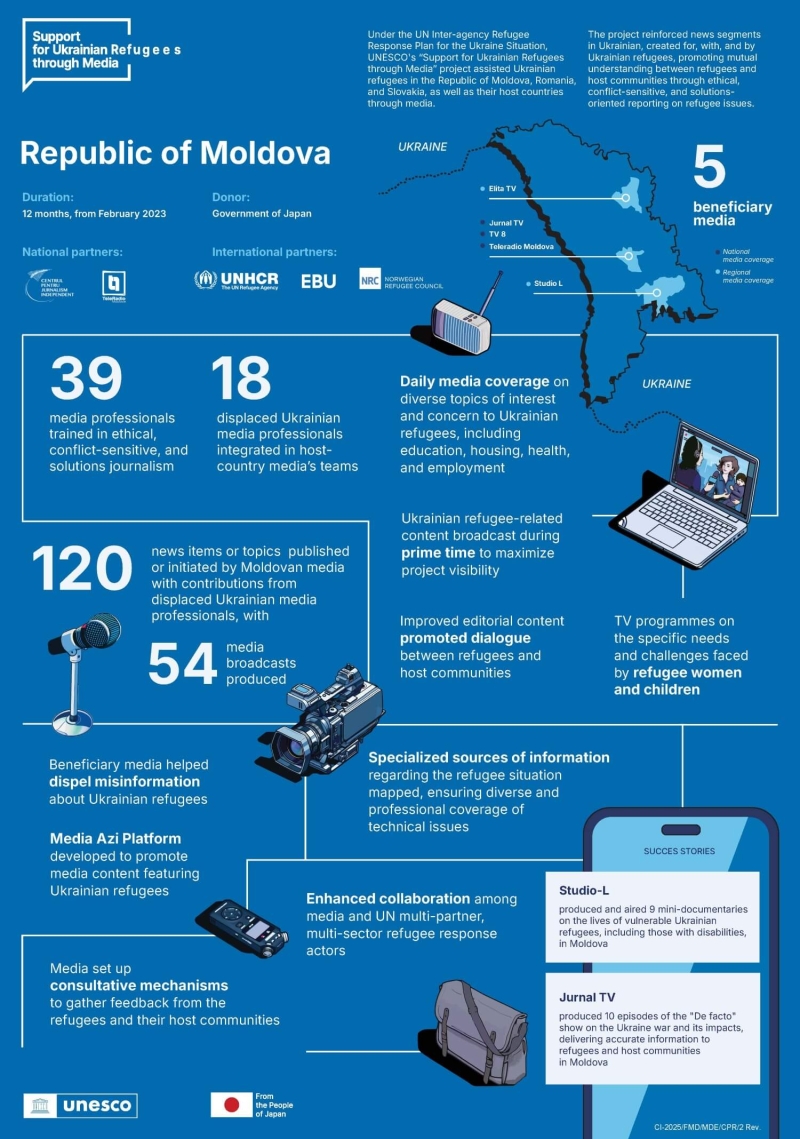
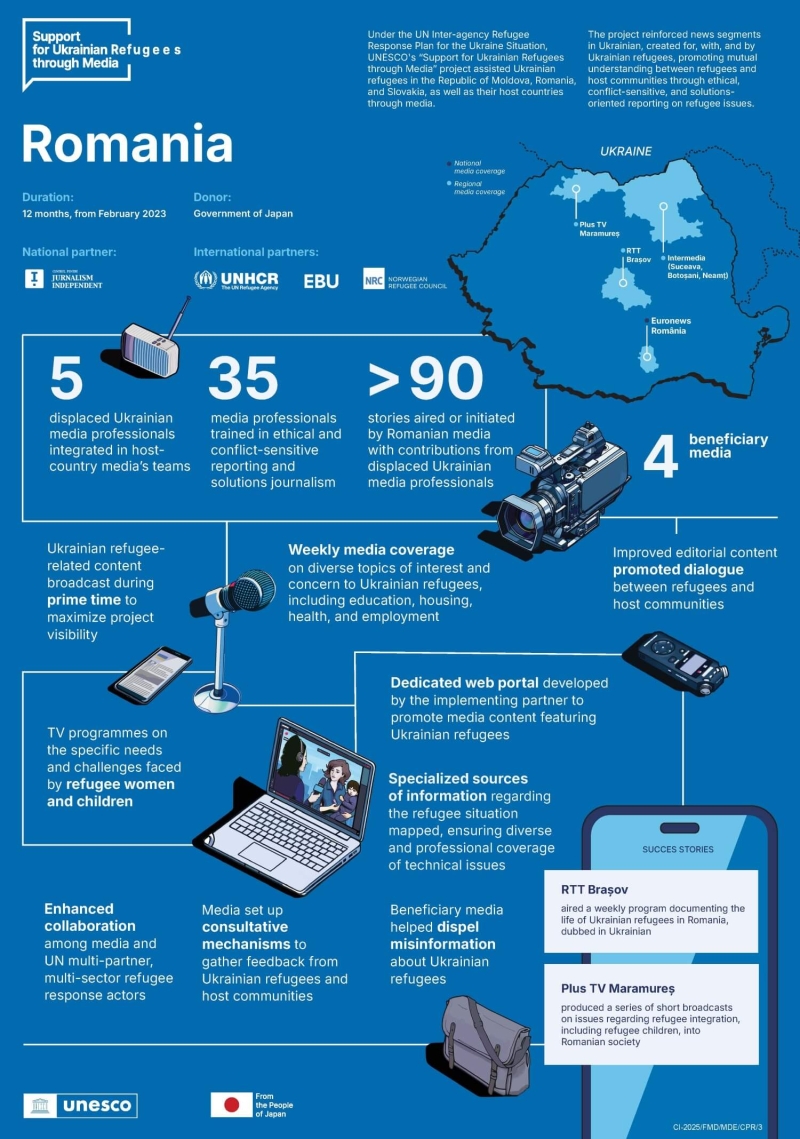


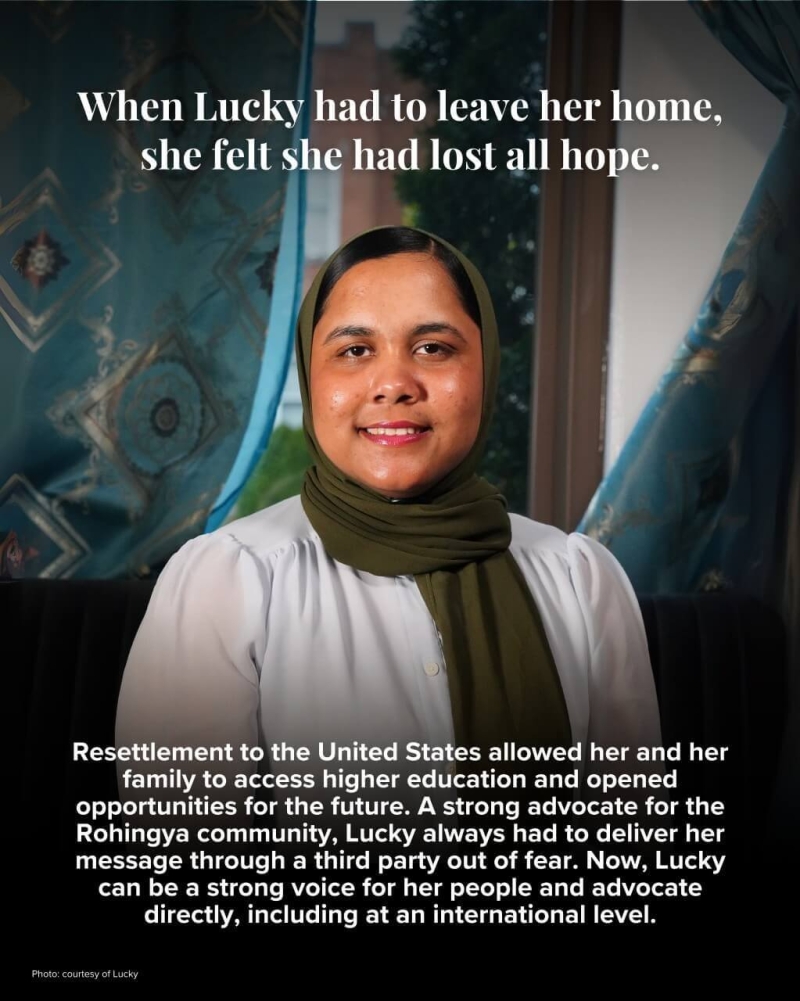


Other resources
GCR Indicator Report 2025 Quiz
Dashboard: Overview of Convention Travel Documents Issued by States
Share your content
All GCR stakeholders are encouraged to share examples of their work, using the online form. Please refer to the concept note for further information including types of content and size limits.
Key themes
While the sharing of content is open to all stakeholders, content related to work towards the multi-stakeholder pledges (MSPs) is particularly encouraged.
Content will be organized by the thirteen groupings of the multi-stakeholder pledges, which are:
- Climate
- Economic Inclusion
- Education
- Health
- Human Settlements
- Resettlement & Complementary Pathways
- Solutions
- Partnerships
- Protection
- Localization
- Development
- Gender
- Refugee Situations (Regional)
Stakeholders may select up to three thematic areas for each submission. While many contributions may be relevant to more than three areas, it is necessary to limit the number of selections to ensure the functionality of the sorting and filtering system within the Digital Space. This approach helps users efficiently navigate and access content that aligns with their interests, making the hub more user-friendly and purposeful.
Types of content
Content can be submitted by any stakeholder engaged in the GCR. The content can include, but is not limited to:
- Information and data related content such as reports, toolkits, analyses, stocktaking outcomes, dashboards, presentations
- News and stories in the form of articles, blogs, interviews (either to be published on the Digital Platform or linked to for those already published elsewhere online)
- Visual assets such as videos, posters, photo exhibitions, drawings, infographics
- Other published content which can be embedded or linked to, such as podcasts and social media posts
Format
Content can be shared by uploading a file in the following formats:
Type | Format | ||
| Word: | .doc and .docx | ||
| Excel: | .xls, and .xlsx | ||
| PowerPoint: | .ppt, and .pptx | ||
| PDF: | |||
| Image: | .jpg, .jpeg, .png, .gif, .eps, and .svg | ||
| Video: | Ideally videos are already uploaded to either YouTube or Vimeo, and the link is shared via the form. However, if you are unable to upload them to your accounts, the video file can be shared in the following formats: .avi, .mp4, .mov, .wmv, .3gp, .flv, and .mpg | ||
| Audio: | .mp3 and .wav |
The maximum file size for each document is 10MB, and up to ten files may be shared at a time. If your files are larger than this, or number more than ten, please include in the form a link to an online folder (e.g. SharePoint or Google Docs) or a file transfer platform, such as WeTransfer, with the files.
Additionally:
- Anything already published online can be linked to directly, for example articles, blogs, podcasts and social media posts, and therefore only the link is necessary.
- Content which can be embedded on a webpage, for example PowerBI dashboards, can be shared by sending the embed code via the form.